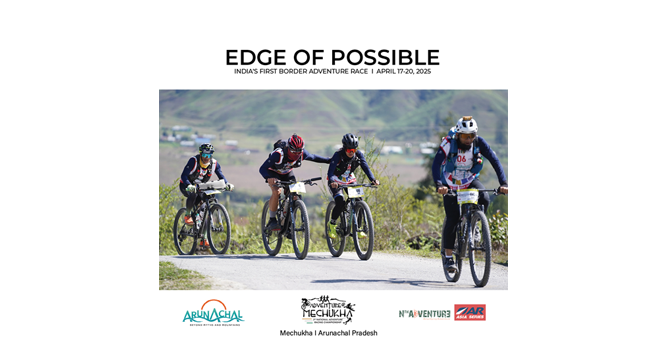
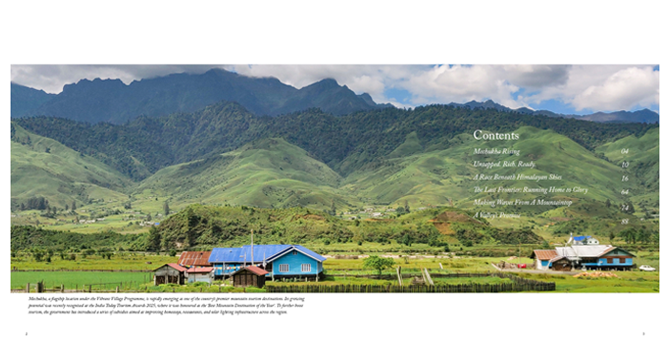
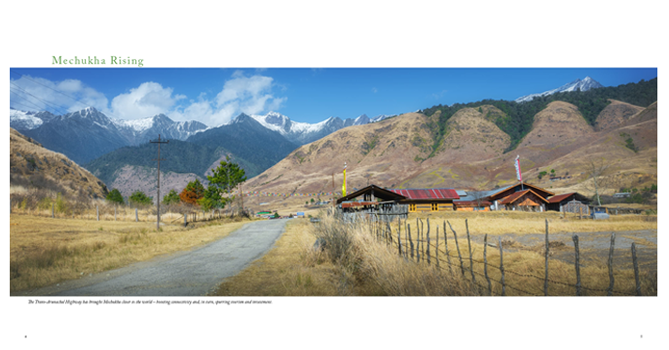
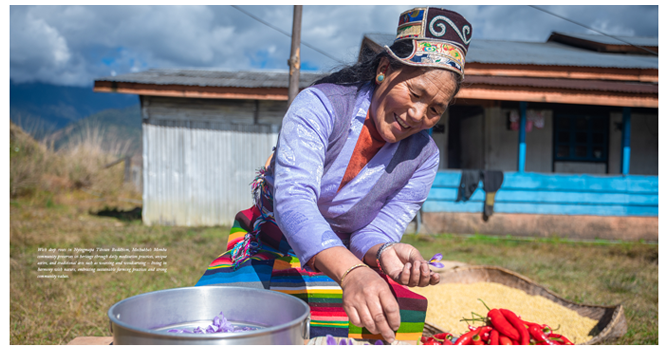
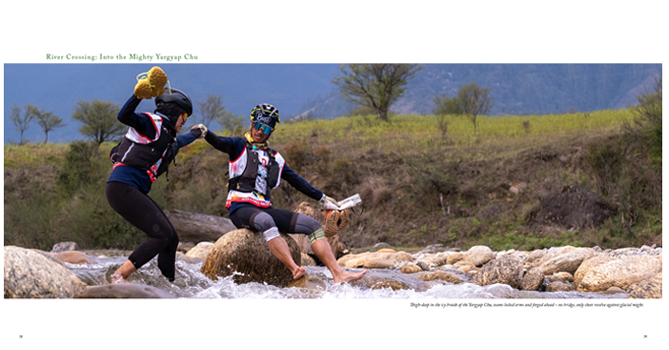
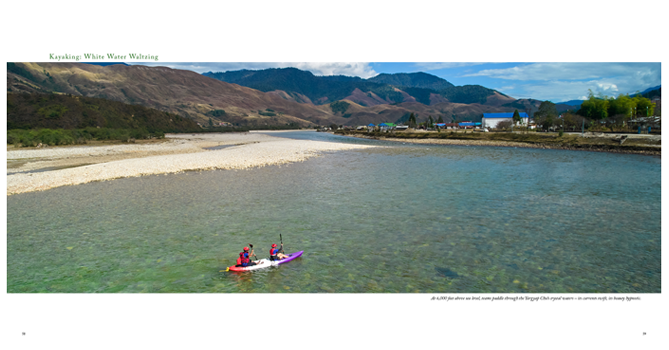
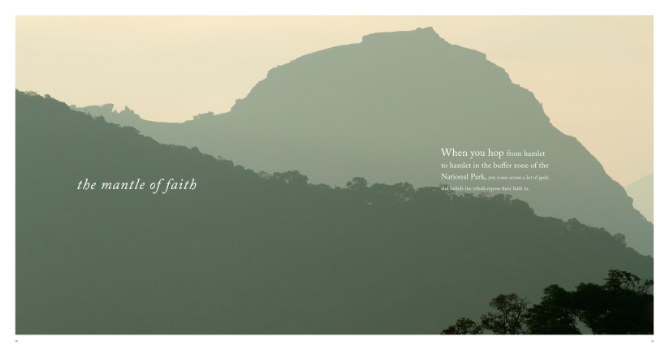
Edge of Possible captures the story of India’s First Border Adventure Race held at Mechuka. Through powerful visuals and evocative storytelling, the book presents Mechukha as an emerging frontier of adventure tourism, culture, endurance and sustainable travel, showcasing its Himalayan landscapes, tribal communities, spiritual heritage, and global potential as a destination for high-impact adventure events.
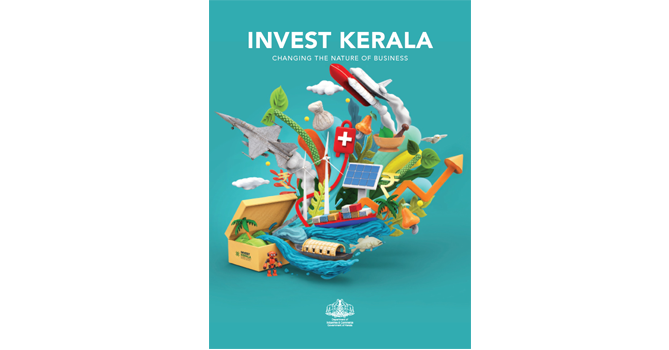
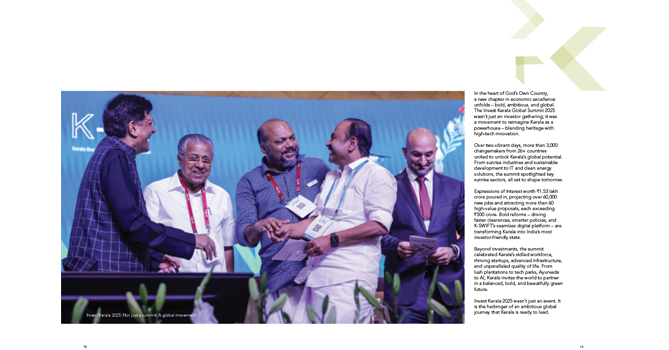
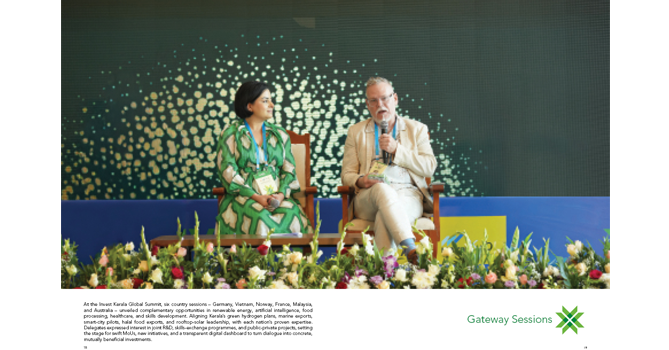
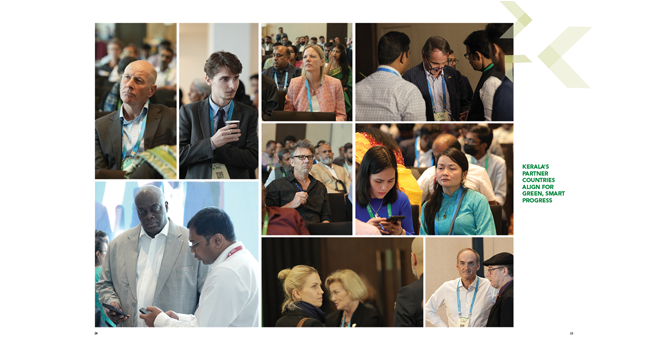
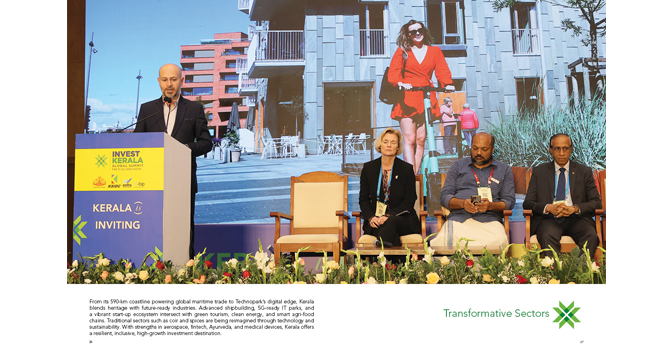
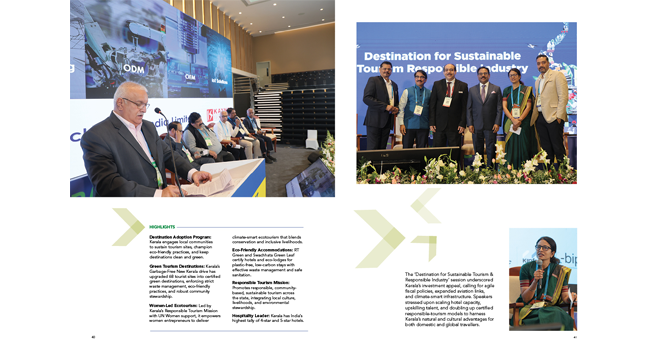
The Invest Kerala coffee table book captures Kerala’s transformation story in a visually rich and compelling format, presenting the State as a future-ready destination for investment, innovation and inclusive growth. It showcases Kerala’s strengths across technology, manufacturing, life sciences, start-ups, infrastructure, sustainability and human development through powerful narratives, photographs, data points and sector highlights.
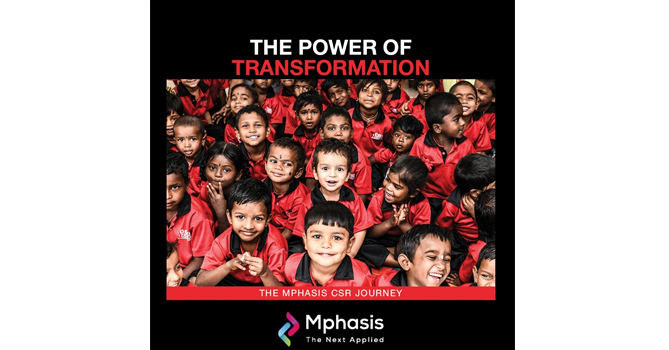
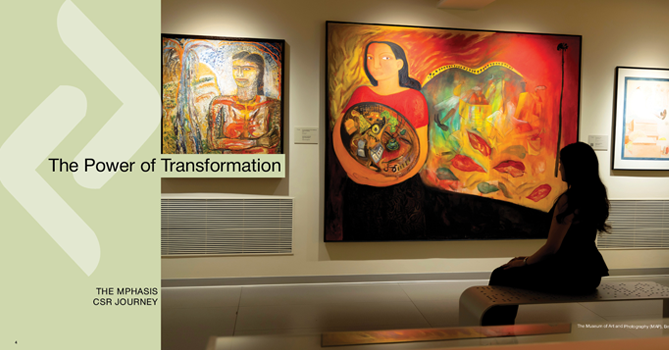
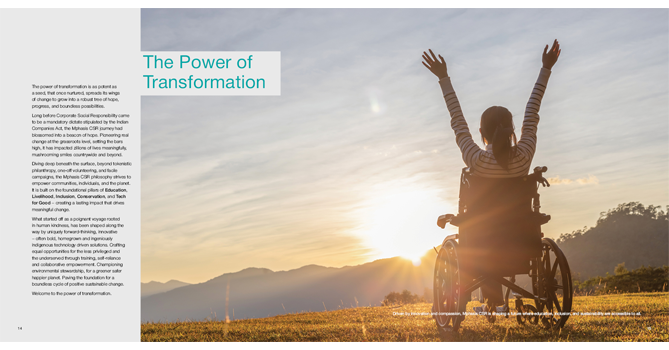
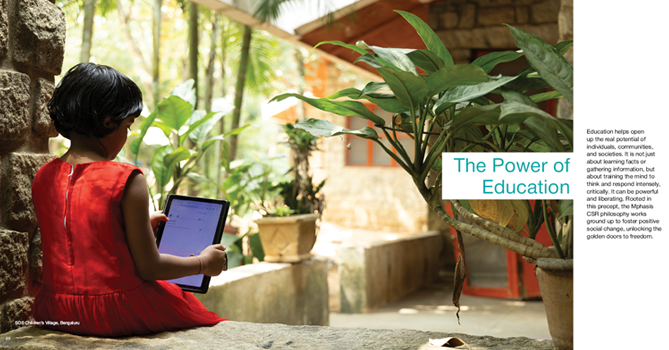
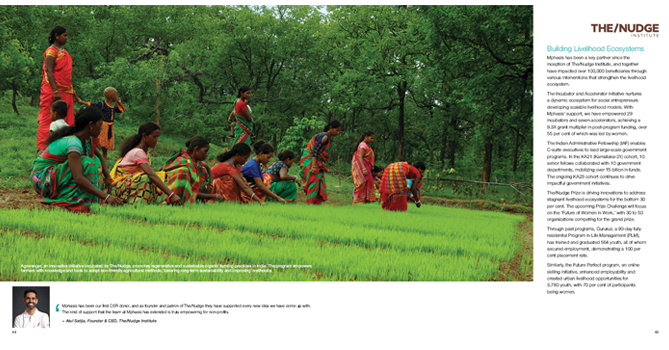
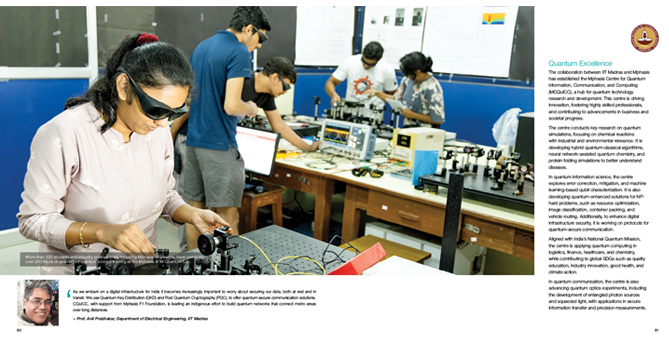
The Power of Transformation, presents Mphasis’ long-standing CSR work across education, livelihood, inclusion, conservation and technology for good. Through strong visuals, impact numbers and partner stories, the book documents how Mphasis has supported underserved students, persons with disabilities, women, youth, social-sector start-ups, environmental restoration and future-facing technology initiatives. It positions CSR not as charity, but as a sustained journey of innovation, inclusion and measurable social transformation.
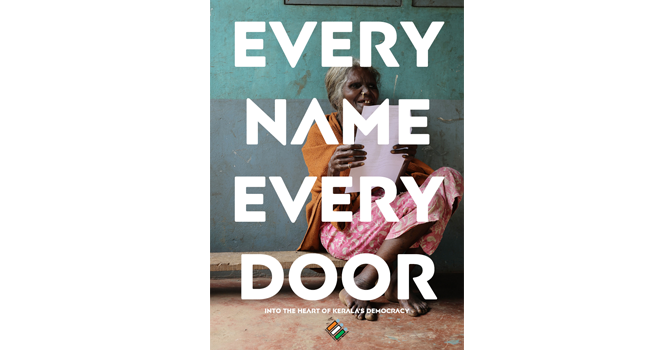
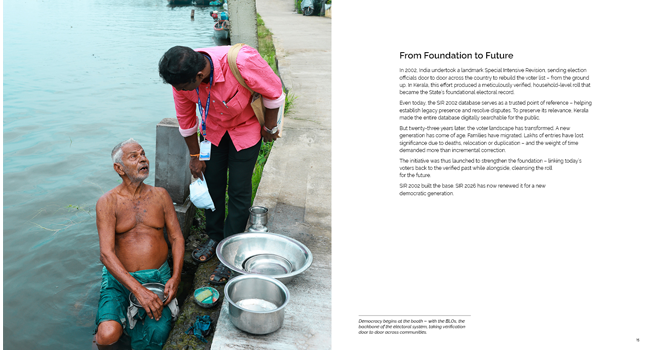
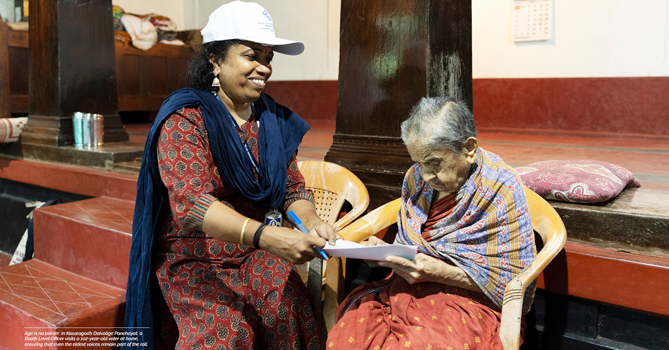
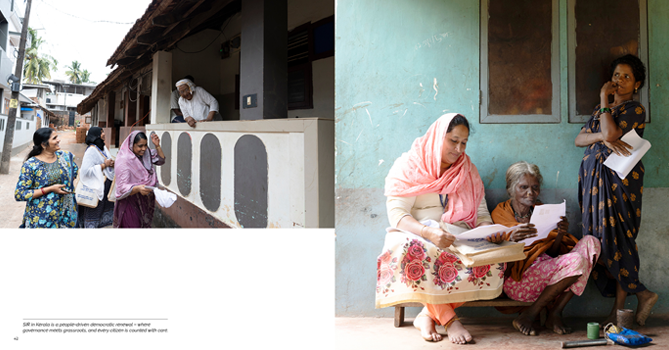
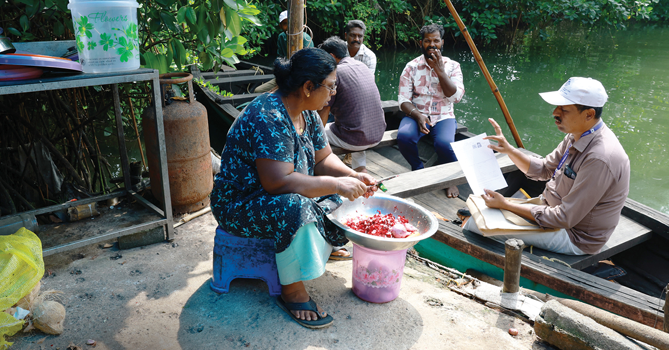
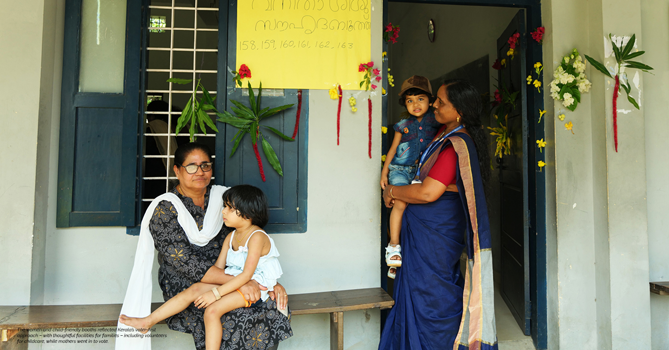
Kerala first captures the eye with its silver backwaters, emerald hills, coconut groves and rain-washed forests, but it holds the heart through something deeper: a people-first civilisation shaped by learning, openness, dialogue and public life. Every Name Every Door journeys through Kerala’s heartlands – revealing a State where education, healthcare, social equity, civic participation, digital governance and human capital come together to show that when people are informed and included, democracy and development rise together.
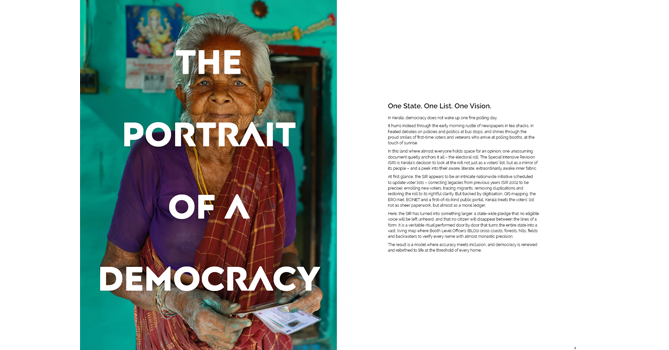
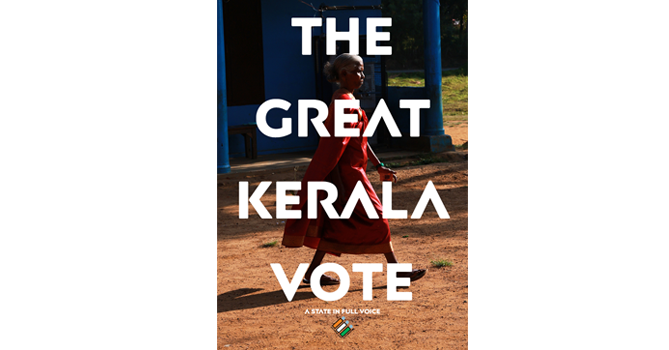
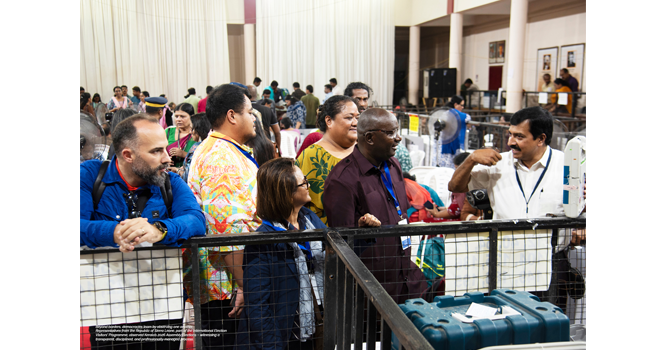
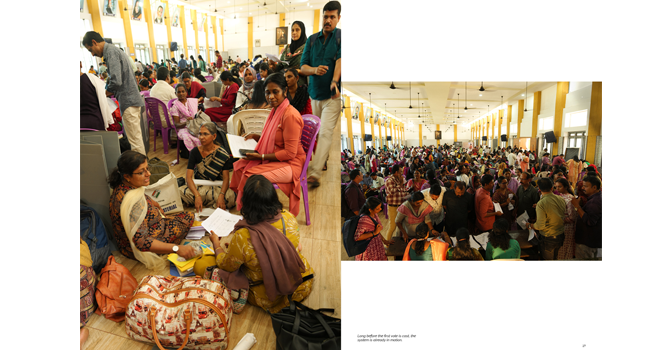
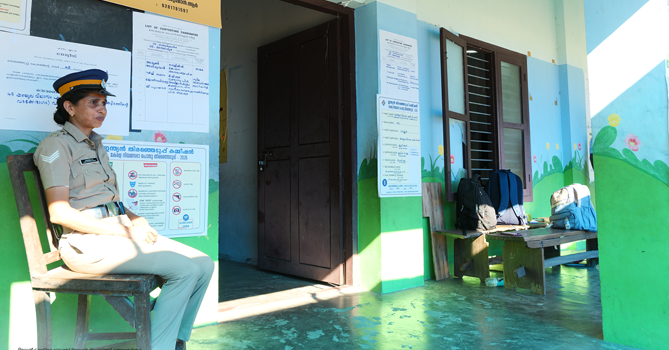
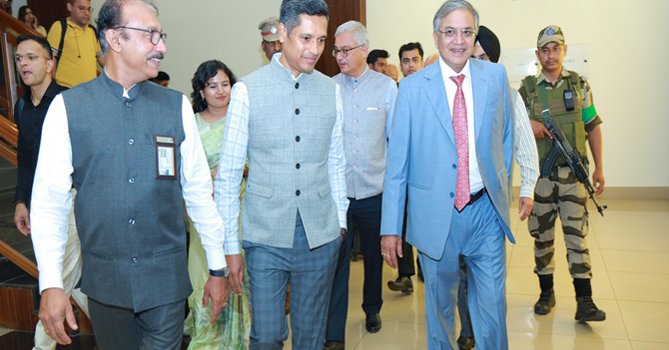
The Great Kerala Vote chronicles the story of democracy in motion across Kerala during the 2026 Legislative Assembly Elections. More than an account of polling, it celebrates the people who made democracy possible – from election officials, polling teams, security personnel and volunteers to first-time voters, senior citizens, persons with disabilities, tribal communities and families. It is a tribute to Kerala’s enduring democratic values – showing how participation, public trust and shared responsibility continue to strengthen the foundations of democracy.
Travancore – where the past and the future coexist dwells on the ferment of social revolution in Kerala that had its fount in Travancore. Endowed with a profusion of biodiversity, the region is blessed with extraordinary natural enchantments. This book is a synoptic yet authentic and sensitive portrayal of Travancore, its history, politics, society, culture and the unmistakable imprint of change.
Monuments of Kerala highlights the state's distinction as one of the ‘Ten Paradises of the World’, renowned for its abundant natural beauty–tranquil backwaters, mist-covered hill stations, sun-kissed beaches, lush valleys, wildlife sanctuaries, and tropical rainforests. Kerala's monumental heritage stretches back to the pre-historic era, with cave paintings dating as far back as 3000 BCE. The book highlights that the state is home to a variety of structures, scattered across its expansive landscape, offering a captivating insight into its ancient history.
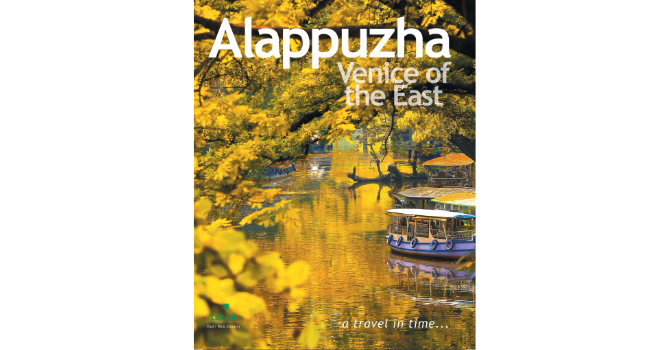
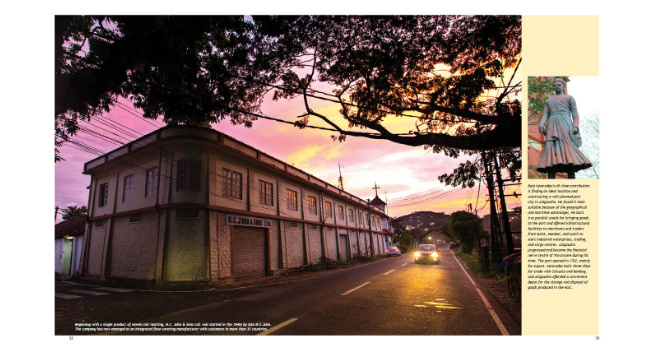
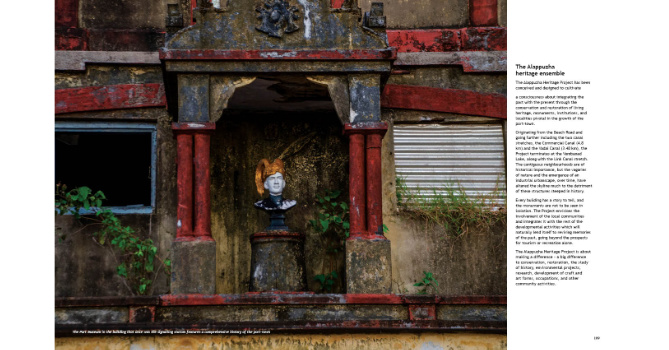
There is more to Alappuzha than its boat races. Sylvan, latticed network of estuaries, lagoons, a maze of canals, and swathes of emerald green paddy fields are integral to the maritime culture and lifestyle that has become the signature of this district headquarters town. Heritage it is that shows up on the landscape of the quaint town because location and history have combined to make this ‘Venice of the East’ a tourist’s delight, offering a once-in-a-lifetime experience.
Flip through the pages here to know of the embedded elements of heritage that make this city one-of-its-kind in the subcontinent. Local arts and crafts, the impressive range of boat design, the lifestyle of the ethnic communities, and architecture which reflects the assortment of influences will get highlighted in the ongoing Alappuzha Heritage Project.
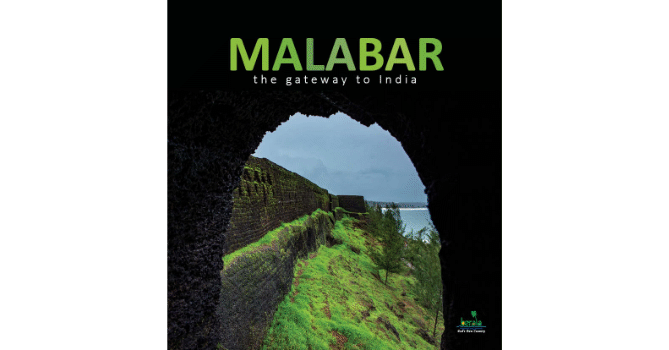
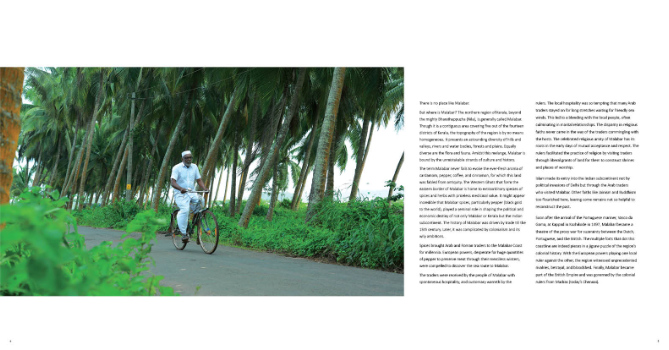
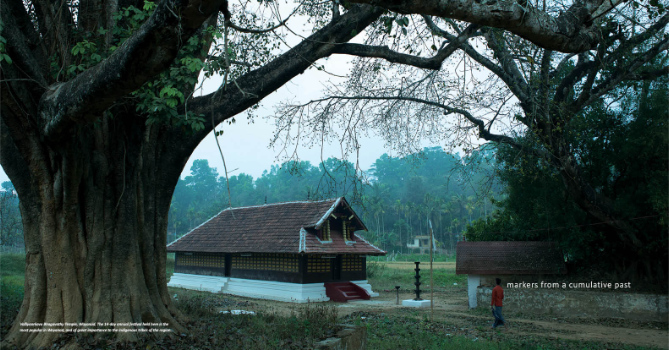
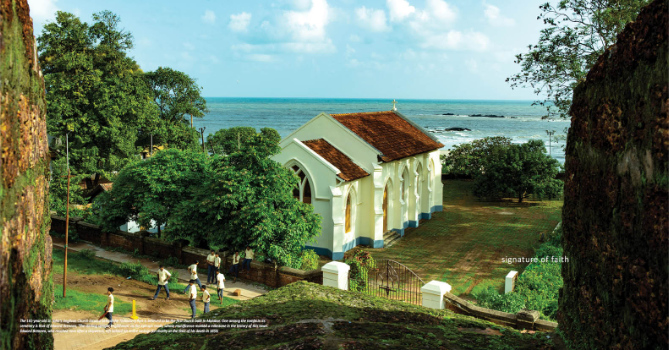
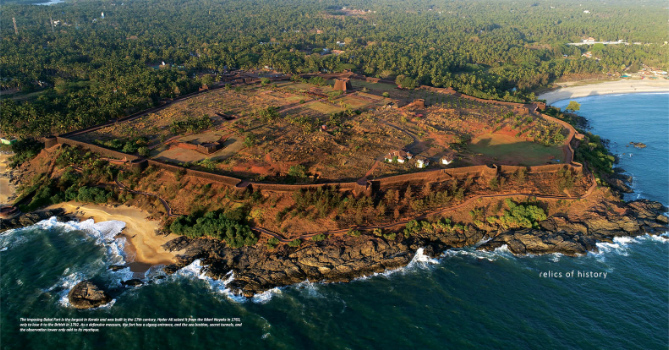
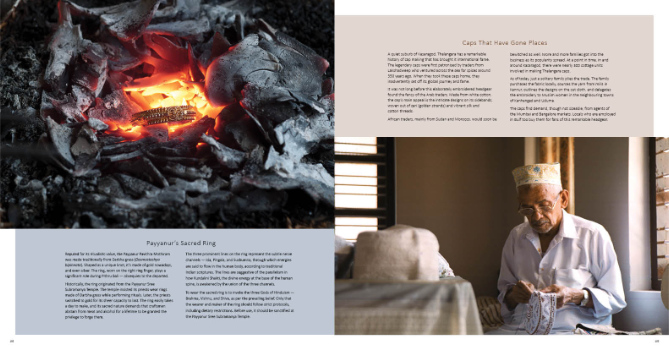
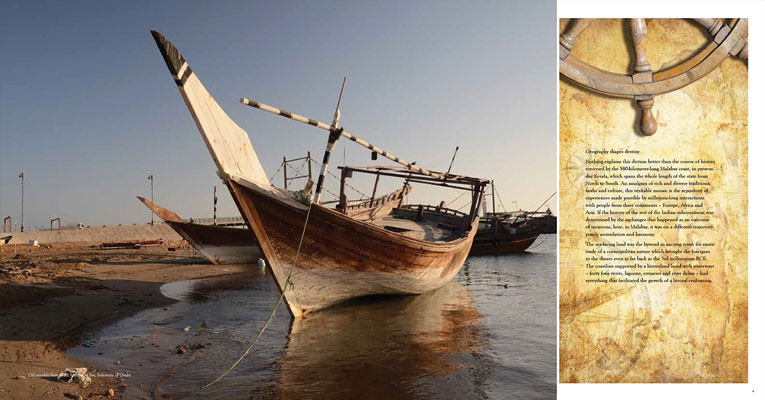
Malabar, the gateway to India is a comprehensive narrative melding history, culture, and the lifestyle of a people for whom the territorial identity signifies a cumulative experience. Cradled between a long coastline and the tapering end of the Western Ghats, this land is a veritable melting pot — for, the people, over generations, have harmoniously embraced a constant influx of diverse ethnic and religious groups from across the oceans, and elsewhere.
Flip through the pages to discover the mystique that defines the region, now part of the state of Kerala. It is spice country. It is the land of Kalaripayattu. And, the land where the atmospheric Theyyam, a ritual form of worship, still holds sway.
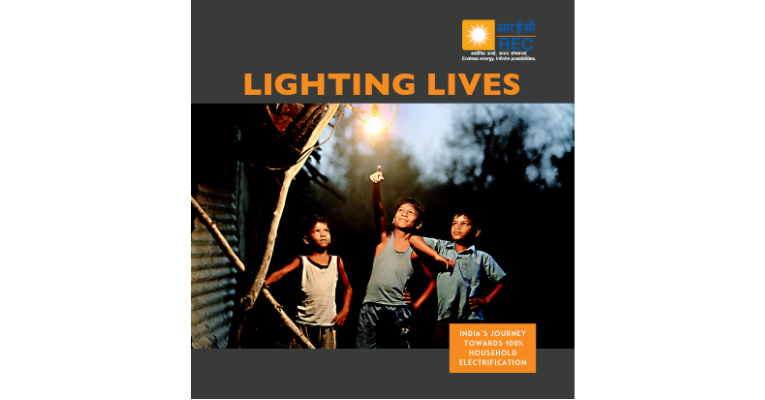
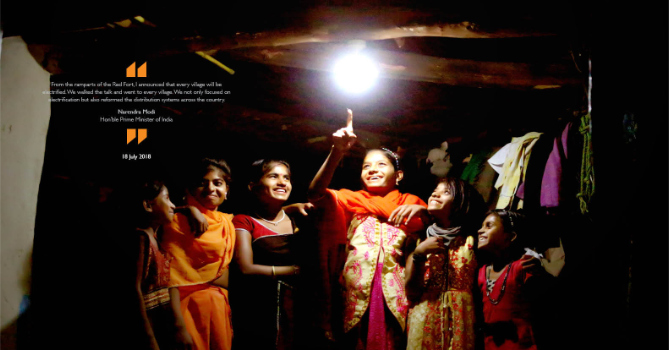
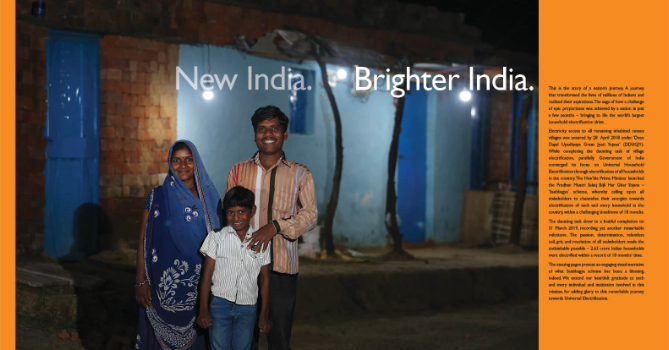
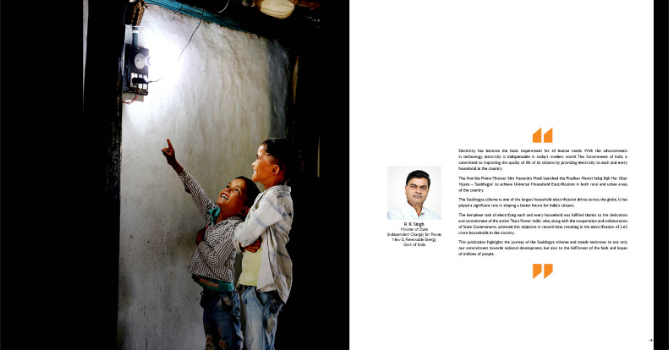
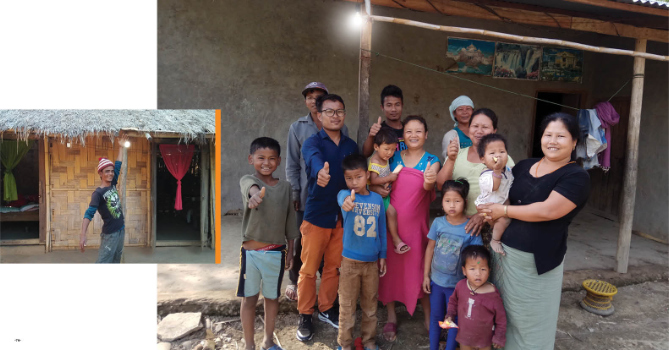
The book Lighting Lives is the story of a nation’s journey. A journey that transformed the lives of millions of Indians and realised their aspirations. The saga of how a challenge of epic proportions was achieved by a nation in just a few months – bringing to life the world’s largest household electrification drive. The ensuing pages present an engaging visual narrative of what Saubhagya scheme has been. The passion, determination, relentless toil, grit, and resolution of all stakeholders made the unthinkable possible – 2.63 crore Indian households were electrified within a record of 18 months’ time.
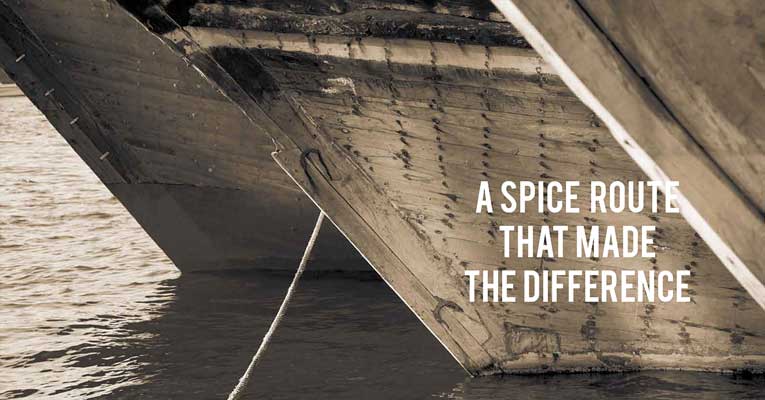
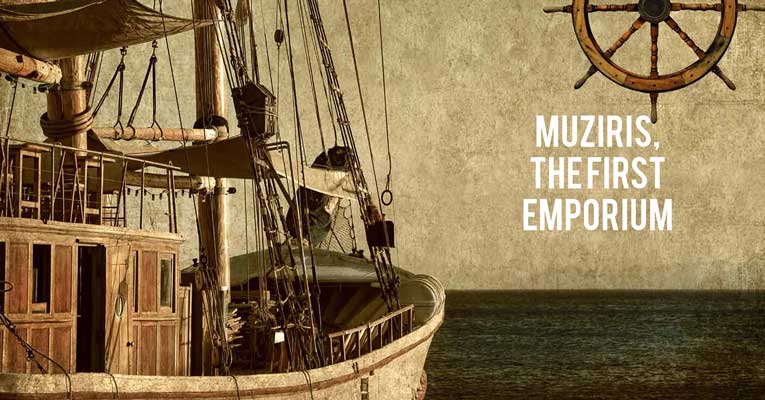
Kerala and Spice Routes opens up the lost worlds. It takes a close look at how the Spice Routes knit countries together over centuries, local histories that swayed fortunes of rulers and kingdoms, how Buddhism, Christianity and Islam as faiths introduced new belief systems – the embryonic stage of multiculturalism, as we know of it, in the twenty-first century lies buried in this history. Berenike and Aksum in Africa and Muziris in Kerala, featured here are exemplary sites that offer answers to the unsolved puzzles.
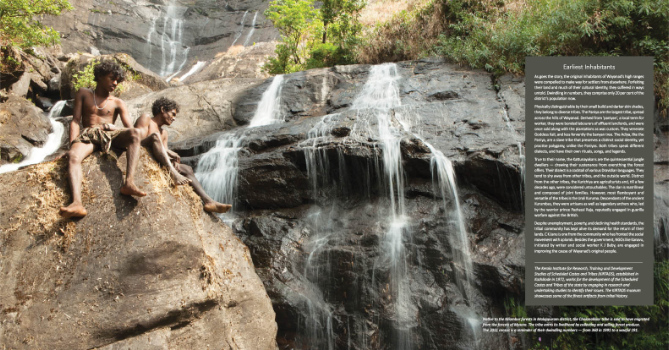
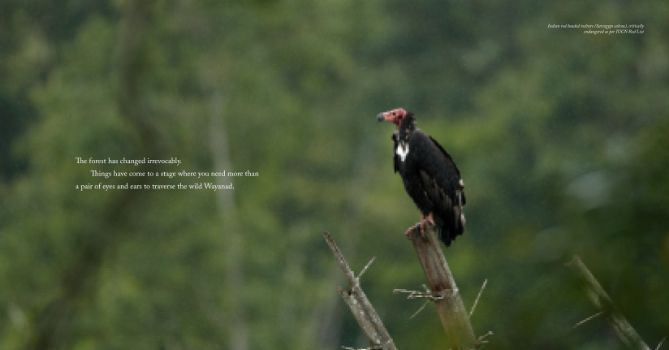
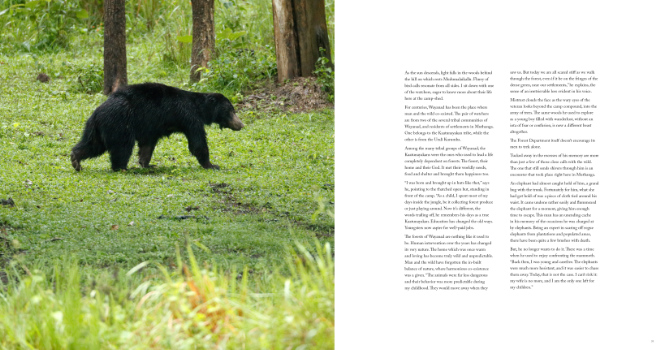
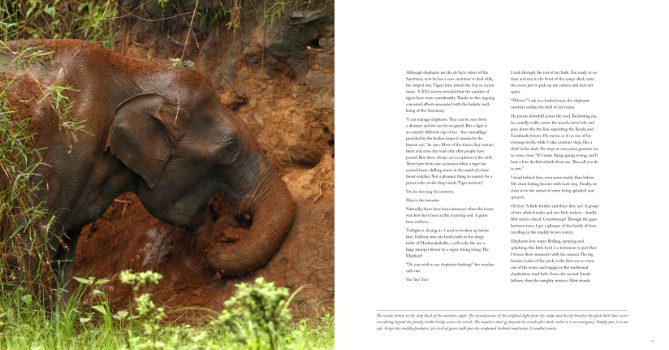
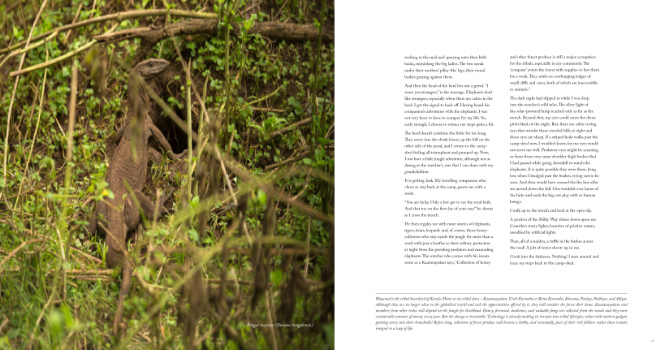
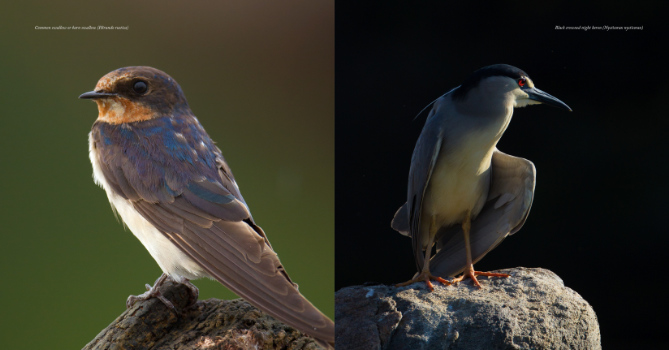
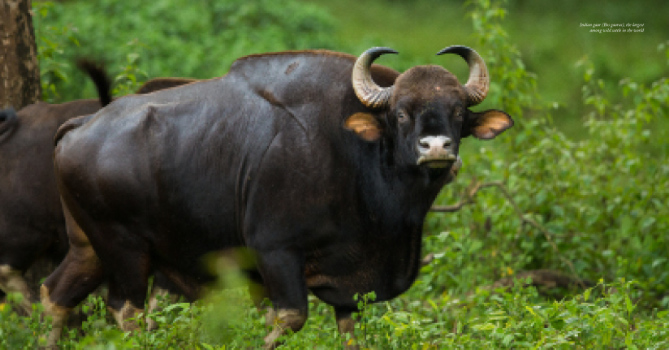
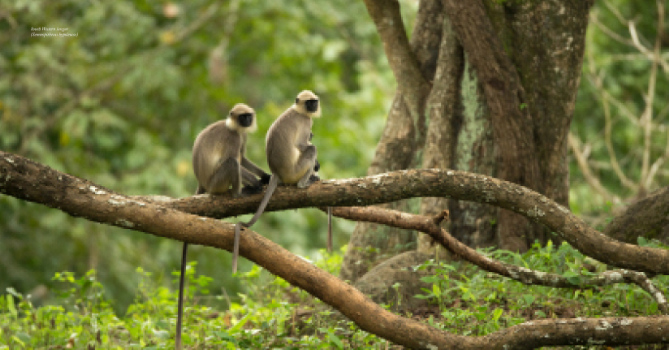
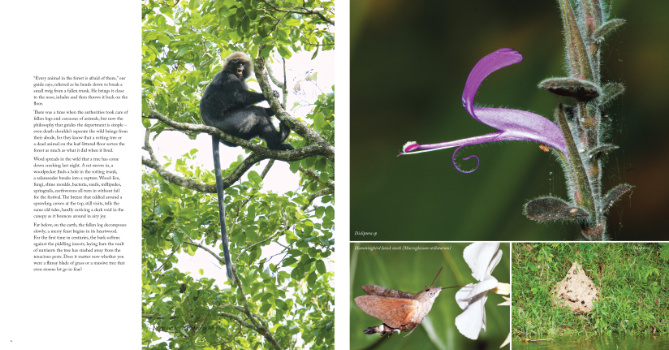
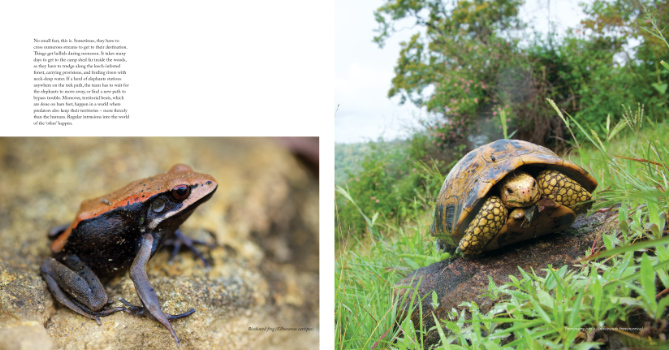
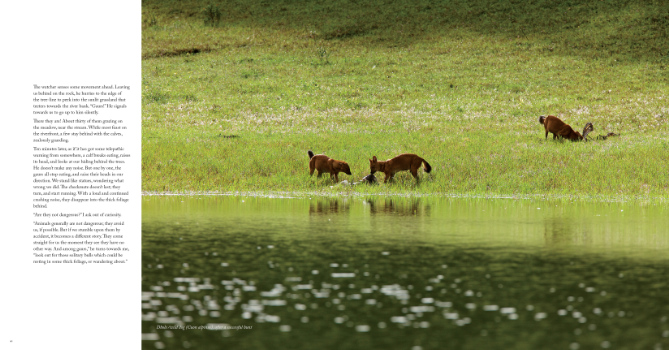
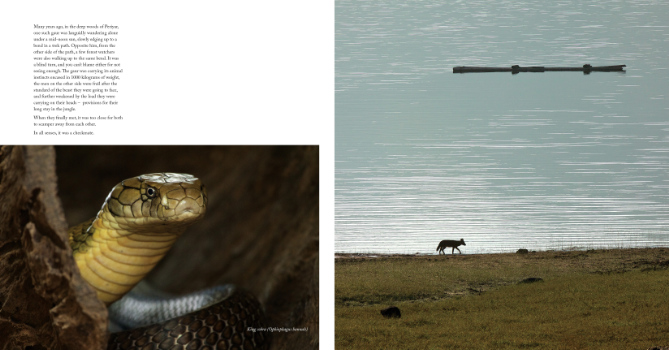
Capturing the faunal in its myriad moods is this volume, Wayanad Wildlife Sanctuary, the fifth in the Sanctuary for the Soul Series. It springs surprises – leaves you spellbound by its majesty, Nature’s harmony, and an occasional peek into the lives pulsating amidst the dense foliage, the swampy vayals, teak plantations, and water bodies.
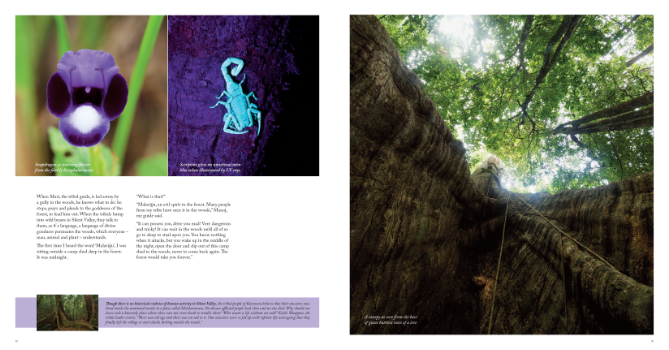
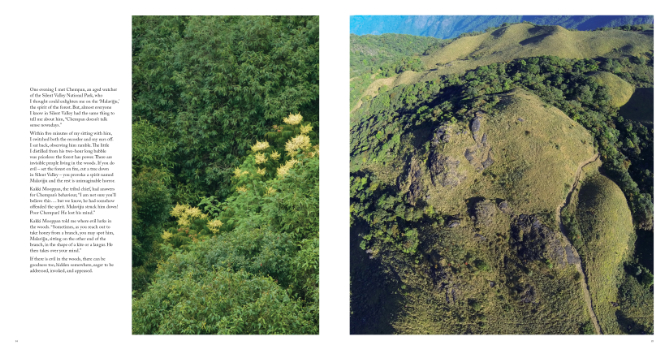
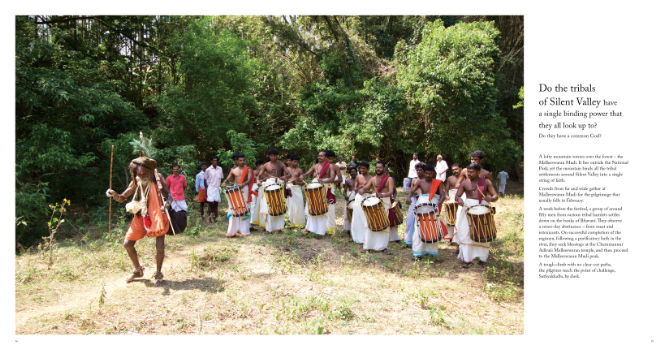
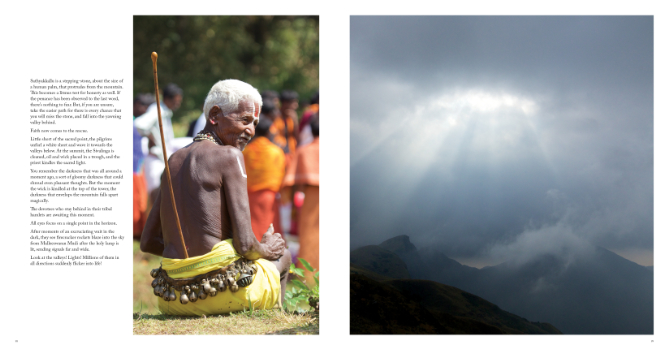
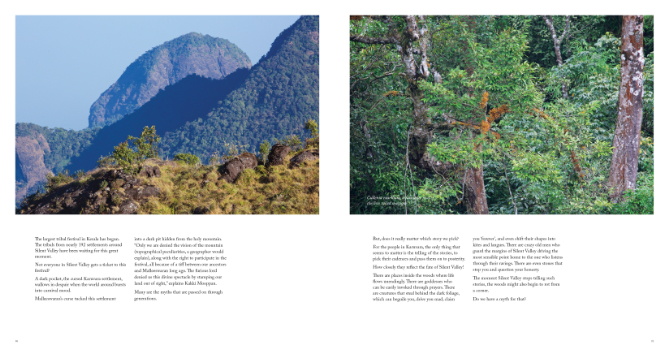
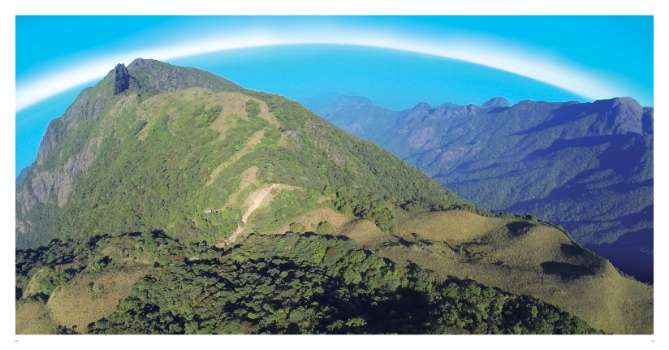
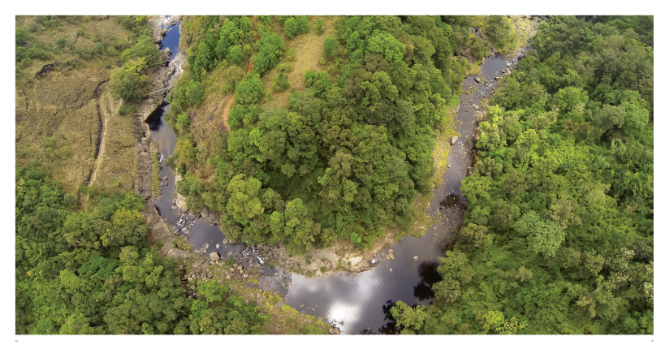
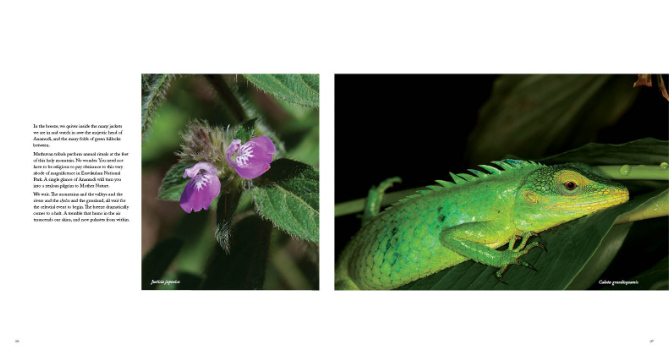
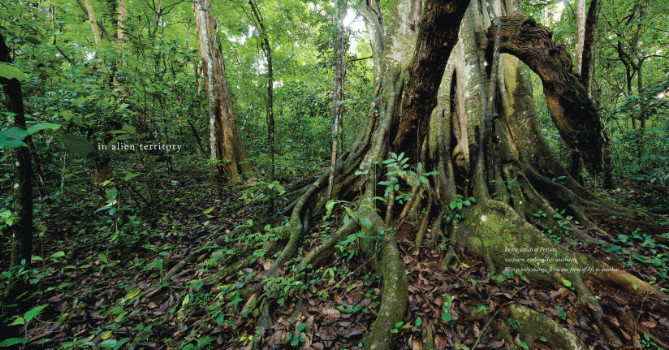
Silent Valley comes alive in the Sanctuary for the Soul Series, with breath-taking images punctuated by an experiential account revealing the National Park’s true mystique – from the mundane to the extraordinary.
Brace yourself for the call of the wild while you flip through the pages on Parambikulam Tiger Reserve in the Sanctuary for the Soul Series – a rare opportunity to experience a spot of tropical green come alive through scintillating photographs interspersed with fascinating descriptions.
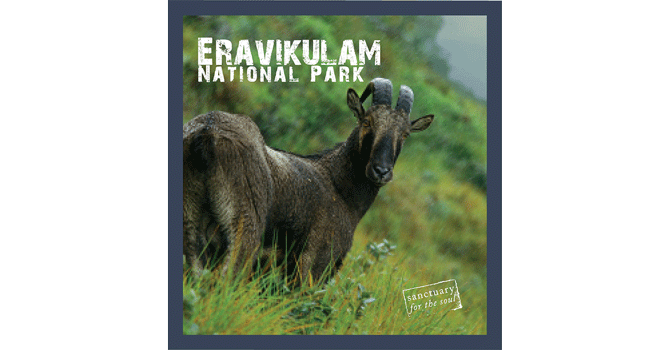
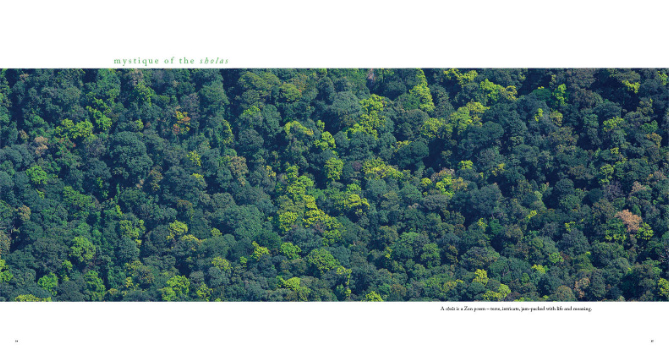
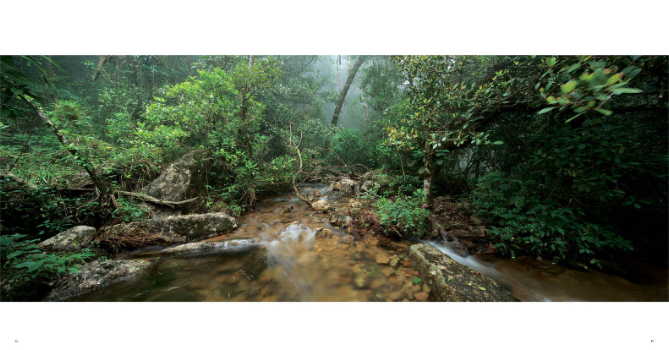
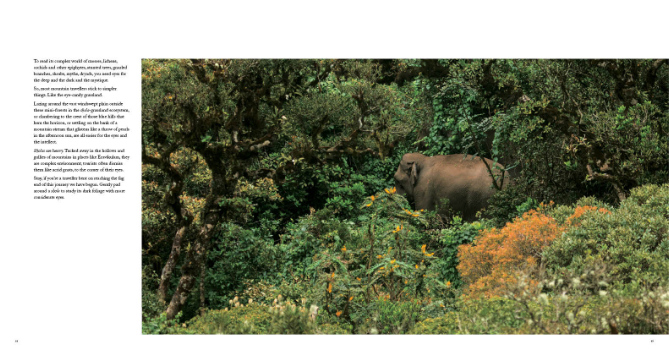
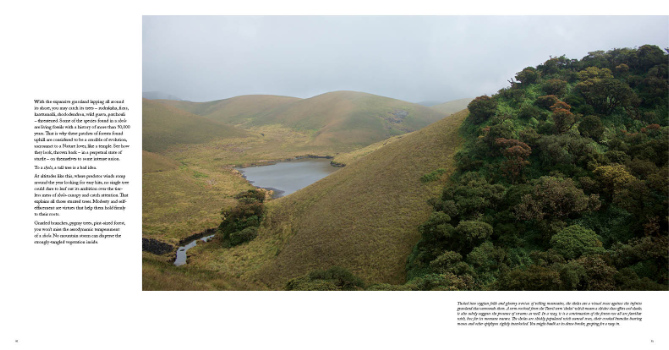
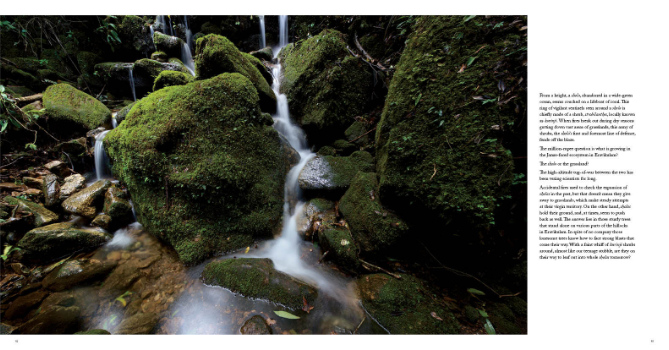
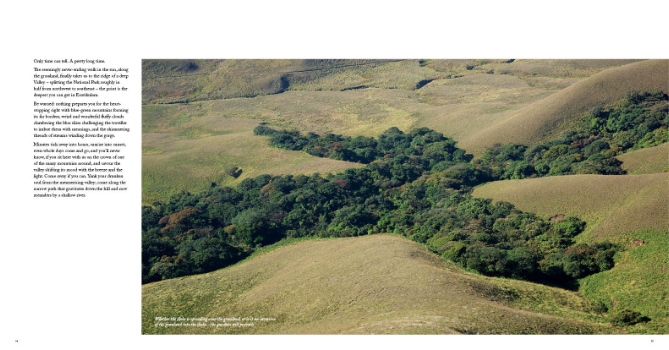
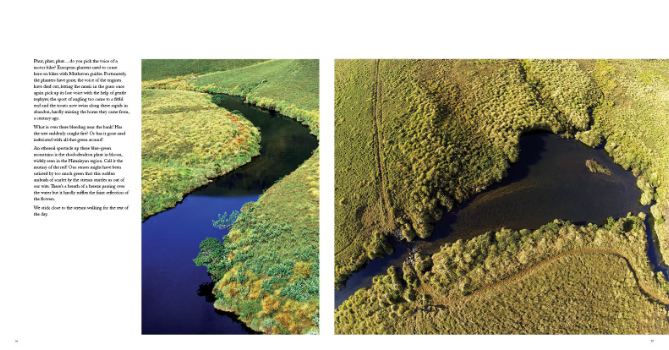
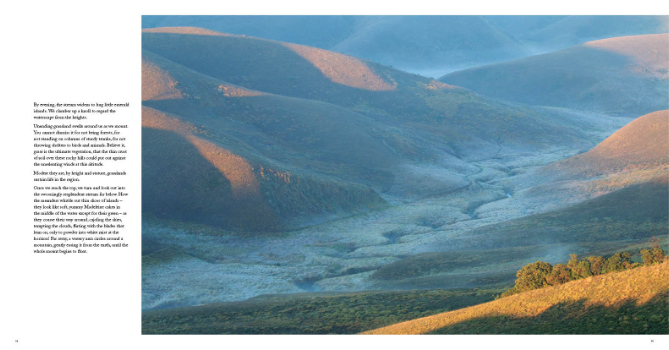
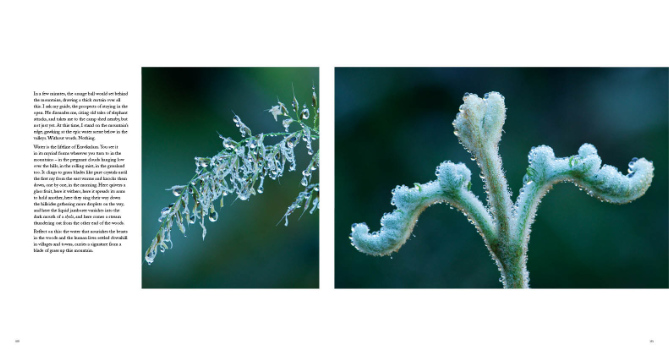
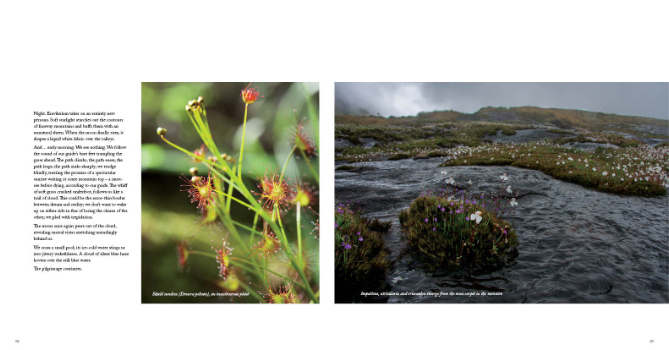
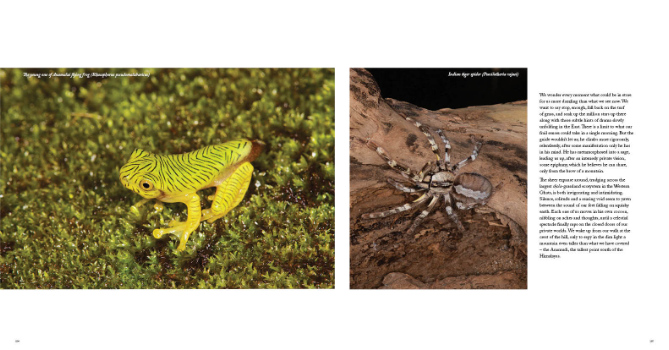
An awesome combination of landscapes reveals itself in this volume, Eravikulam National Park, from the Sanctuary for the Soul Series. An entrancing ambience, nothing like what you have experienced before, unravels in this volume.
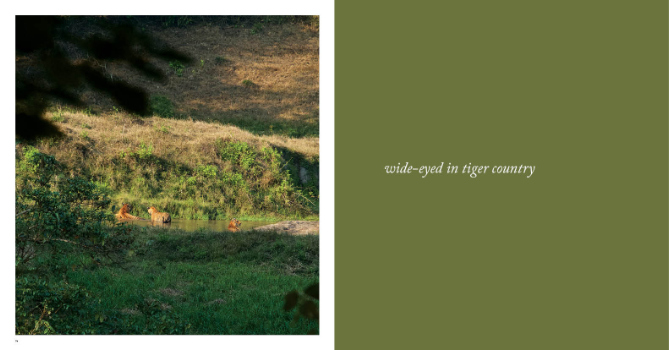
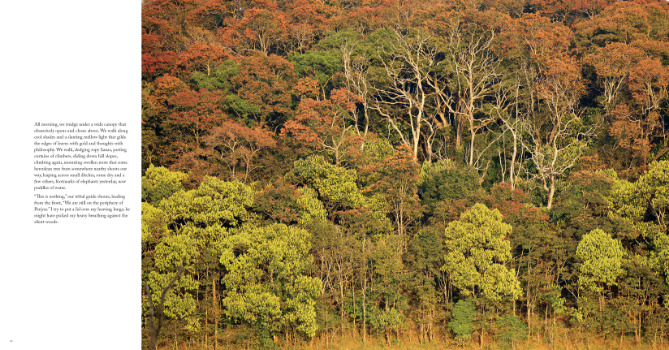
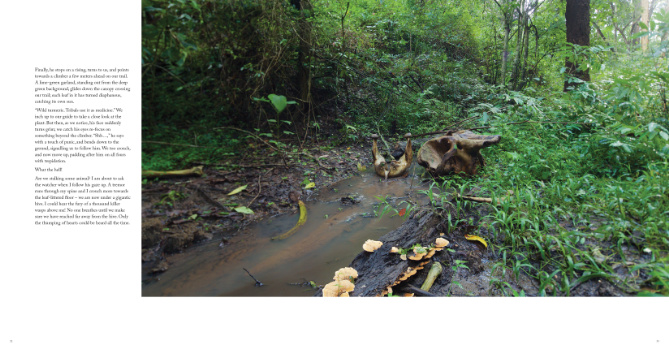
Periyar Tiger Reserve in the Sanctuary for the Soul Series takes you on a journey through the wonders of the wild as it manifests in Periyar, the tiger country. Unmatched for the sheer variety of wildlife and the abundance in numbers, of species that it is home to, this land displays an intrinsic harmony and contentment.
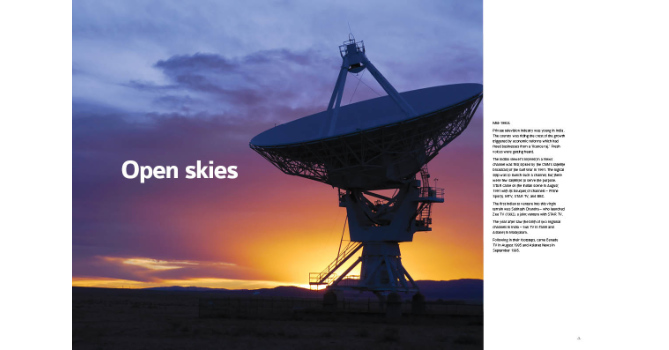
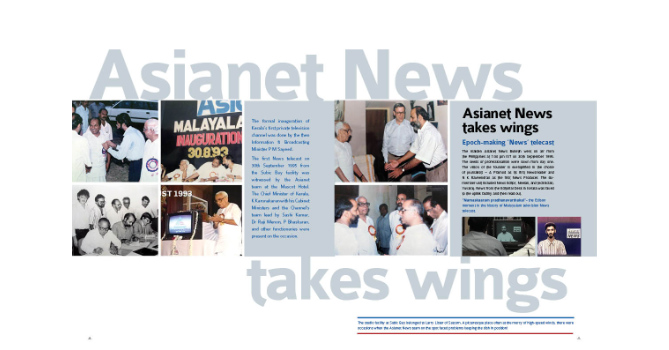
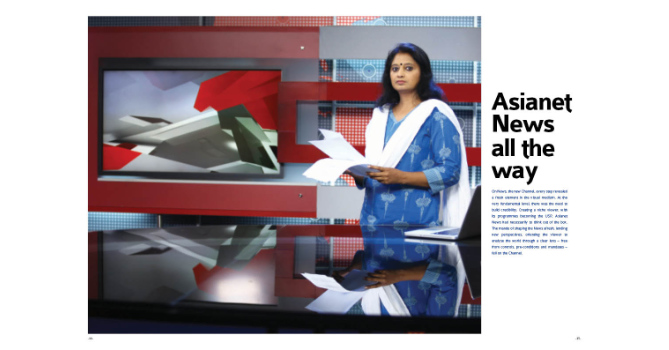
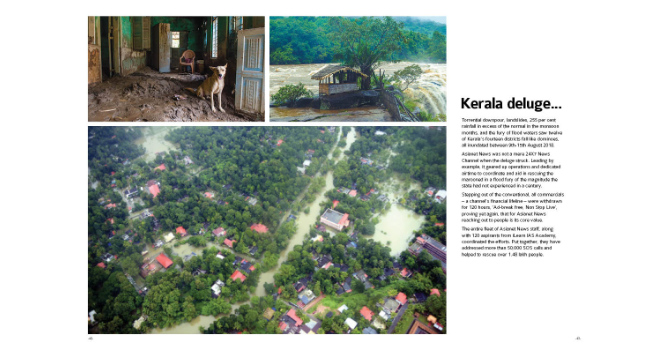
Twenty-five years of uninterrupted success as a private channel best describes Asianet News trailblazing position in the burgeoning media industry. The book travels on parallel tracks: on the one hand it tracks the Channel’s rise while also delineating on the events that made News and the Newsmaker, and was history in the making.
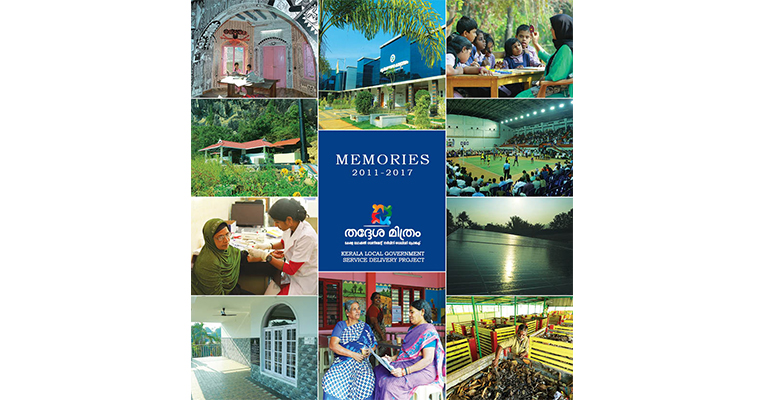
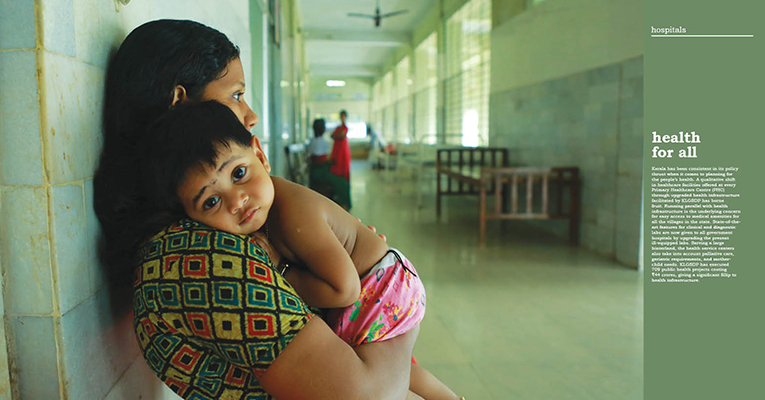
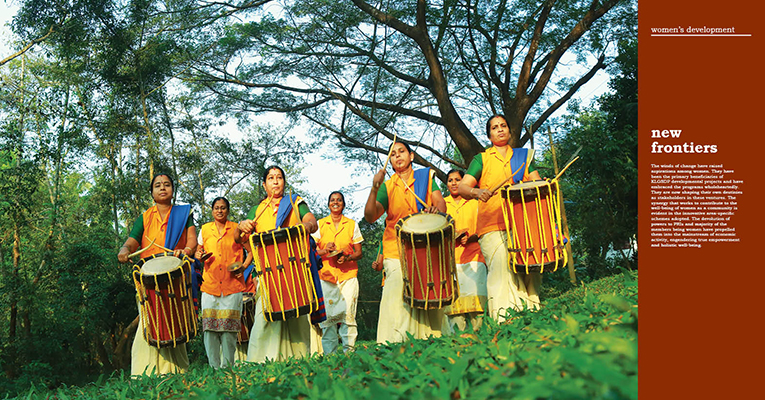
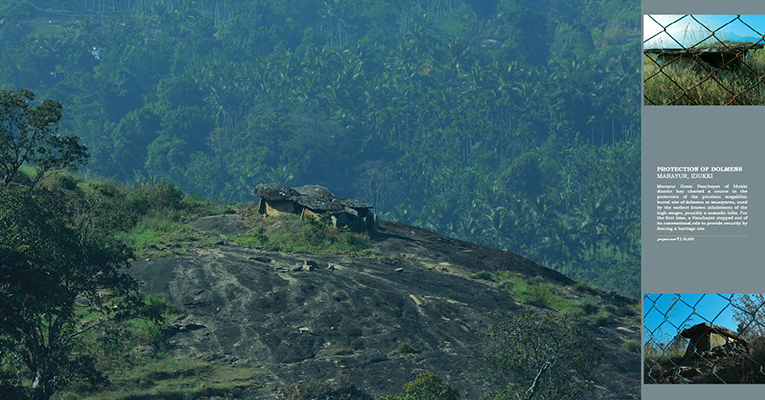
Memories 2011 – 2017 is a compilation of the projects undertaken by the Kerala Local Government Service Delivery Project (KLGSDP) to improve the efficiency of various sectors at the grassroots level. Approaching development holistically has seen initiative and intervention to improve, upgrade and equip institutions, beginning with the Panchayat administration.
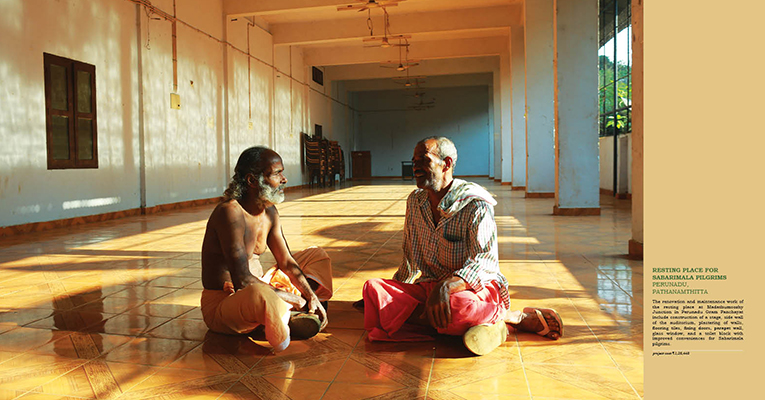
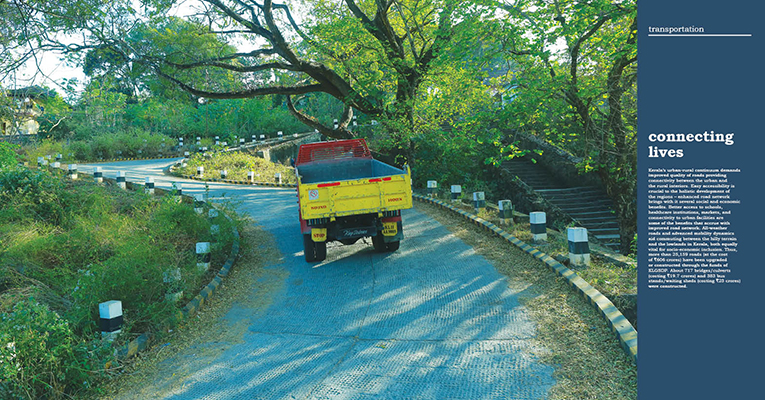
Adopting a sector-wise approach, the book encapsulates the benefits that accrued to the local community in transportation, education, health, geriatric care, agriculture, public conveniences, heritage, and women’s development.
The total picture that emerges from the themes covered is the thrust given to capacity building in three-tier governance by institutions like KILA and SIRD, both of which have consistently worked towards equipping, re-skilling and facilitating upgrade of human resources potential at all levels of local governance.